Skip to content
Apex Concrete and Exteriors

Existing concrete in Portland, Oregon

Concrete care for Portland driveways and patios

Cleaning, patching, joint work, and sealing for existing driveways, patios, and walkways, scoped to condition and use.

Review your slab condition
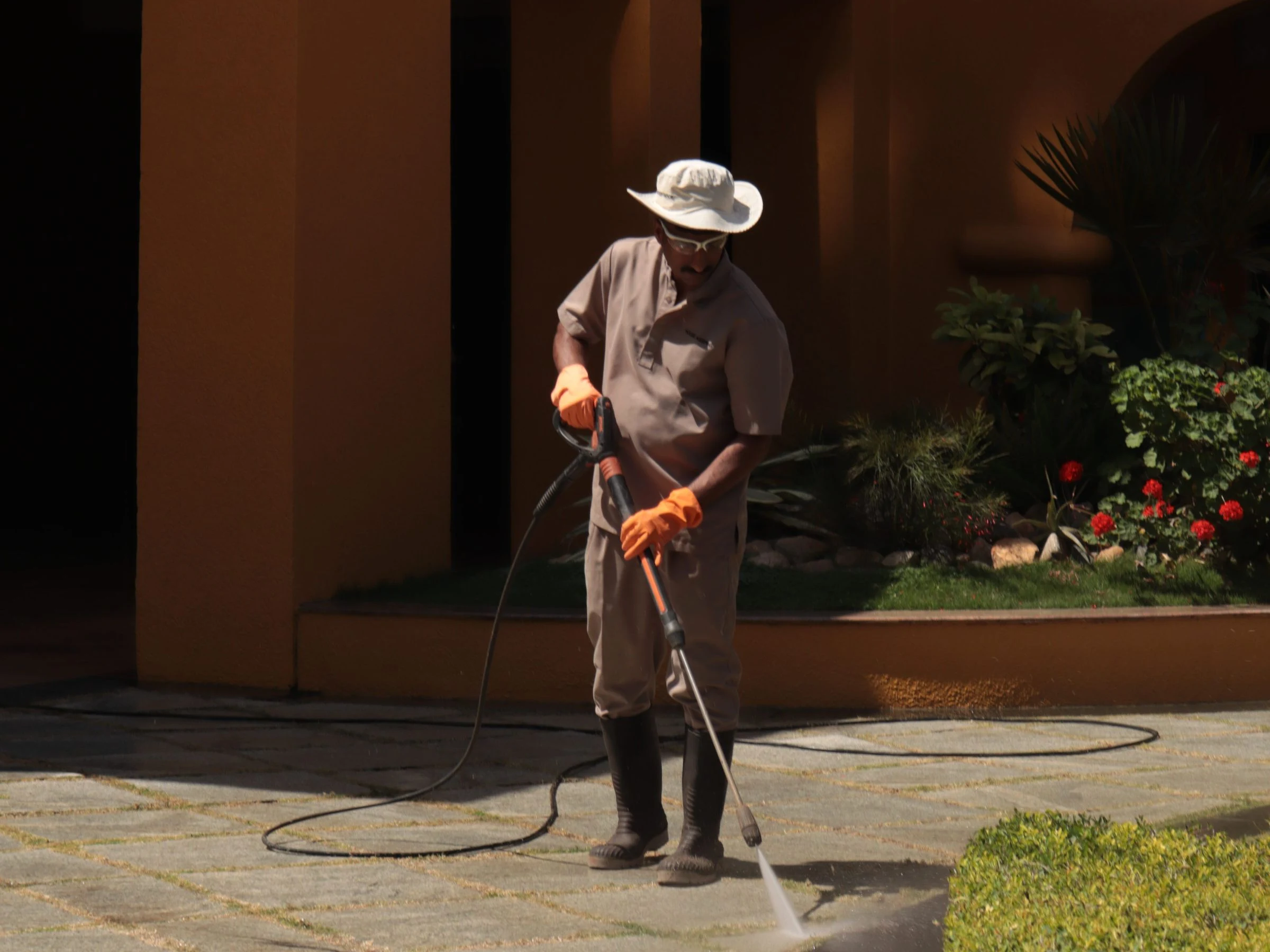
Worker in protective gloves and boots pressure washing a paved patio
Pressure washing a concrete surface

Start with the surface, not a preset package

A dirty slab, a fading decorative surface, an open joint, and a settling slab need different responses. The first step is to distinguish what sits on the concrete from changes in the concrete, its base, or the surrounding drainage.

Staging review: final service scope, product selections, operating procedures, pricing, and insurance require client verification before public launch.

Match the condition to the right conversation

Dirt, algae, or organic buildup
Possible scopeSurface-appropriate cleaning and preparation
What needs reviewSurface condition, nearby drains, surrounding materials, access, and containment
Oil, rust, tannins, or other staining
Possible scopeStain identification and a compatible treatment test where needed
What needs reviewStain history, previous treatments, absorption, and realistic removal expectations
Sound concrete with an absorbent surface
Possible scopeA penetrating water-repellent sealer discussion
What needs reviewExisting coatings, moisture, absorption, appearance, traffic, and product instructions
Decorative concrete needing a different sheen
Possible scopeA decorative or penetrating sealer review
What needs reviewCurrent finish, color, darkening, traction, compatibility, and a test area
Localized spalls, edge damage, or worn joints
Possible scopeA localized repair, joint preparation, or resurfacing scope
What needs reviewSoundness, movement, repair boundaries, depth, texture, color, and curing
Settlement, heaving, or structural deterioration
Possible scopeA replacement, lifting, drainage, or qualified evaluation path
What needs reviewBase conditions, movement, drainage, reinforcement, and why the damage occurred

Cleaning, repair, and protection have different jobs

Concrete cleaning and pressure washing

Remove suitable surface buildup with methods matched to the concrete and its surroundings. Cleaning is not a substitute for repair, and high pressure is never presented as harmless to every surface.

  • Driveways, patios, walkways, entries, and steps
  • Surface-appropriate tools and cleaning methods
  • Preparation for a separately approved repair or sealer scope

Stain and organic buildup treatment

Oil, rust, tannins, algae, and general grime do not all respond to the same treatment. The review should identify what is known, test uncertain areas, and avoid promising complete removal.

  • Stain and treatment history
  • Compatible cleaners and test areas
  • No guaranteed stain disappearance or exact color result

Crack and control-joint work

Intentional joints and random cracks are not interchangeable. Joint dimensions, movement, soundness, and product requirements determine whether preparation and sealant are appropriate.

  • Joint and crack condition documentation
  • Product-specific preparation, backer rod, and sealant scope
  • No promise to stop structural movement or prevent every future crack

Spall patching and concrete resurfacing

Localized damage and suitable existing surfaces can be reviewed for a repair or wear-layer system. Unsound material, movement, reinforcement, and drainage need to be addressed rather than covered up.

  • Documented repair boundaries and substrate condition
  • Compatible repair or resurfacing materials
  • Texture, color, transitions, curing, and maintenance expectations

Penetrating and decorative sealing

Sealing can change absorption, appearance, cleaning, and traction. Product selection depends on the existing surface, previous coatings, desired sheen, use, and manufacturer instructions.

  • Penetrating and film-forming options where suitable
  • Compatibility, moisture, absorption, and test-area review
  • Product-specific application and return-to-use instructions

Repair what is unsound. Do not hide it.

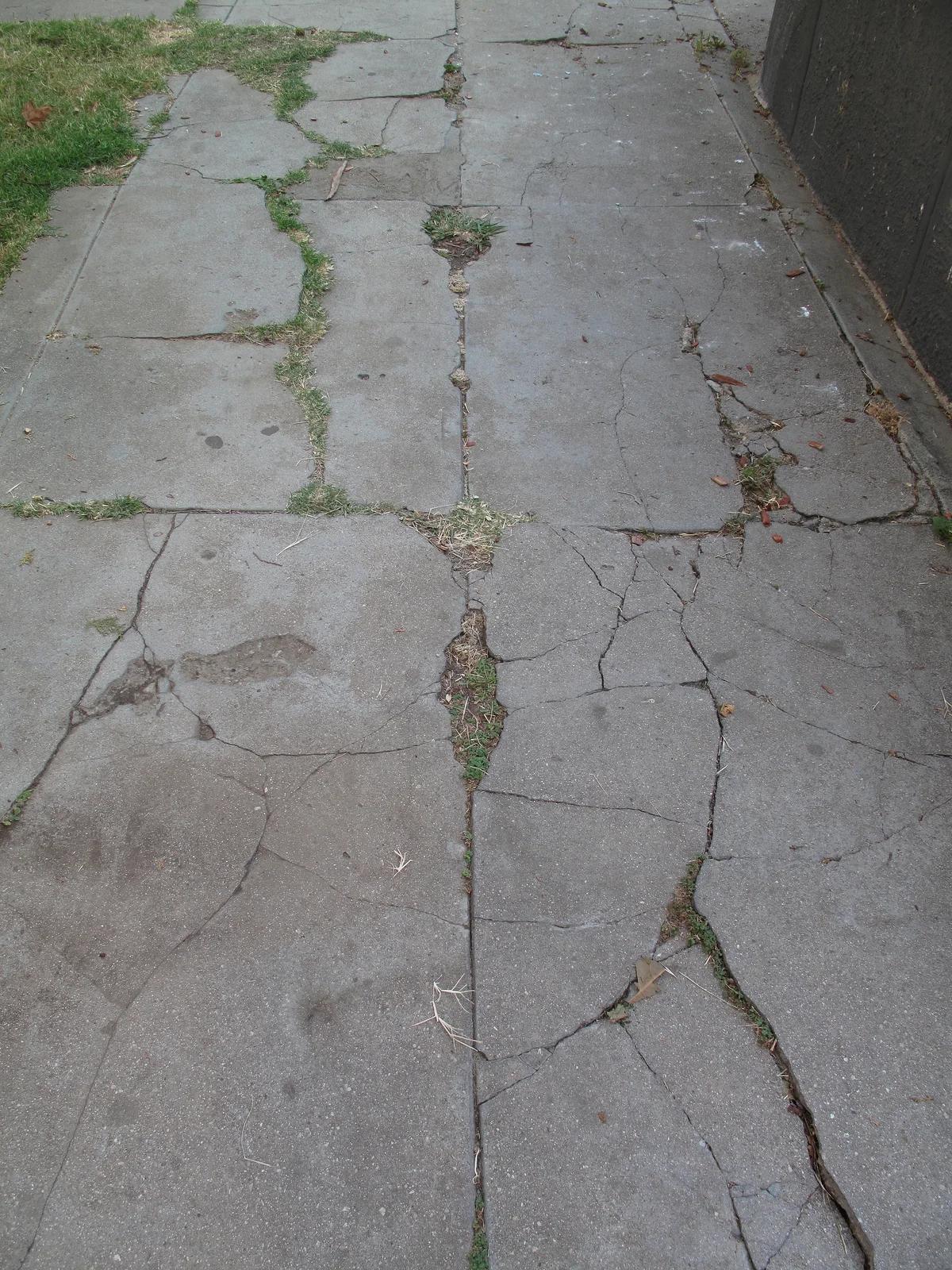
Cracked and lifted sidewalk panels in a residential neighborhood
Cracked concrete sidewalk panels

A patch or overlay should start with a sound, properly prepared substrate and a defined reason for the repair. It should not conceal movement, base failure, corroded reinforcement, or an unresolved drainage problem.

  • Locate loose, delaminated, or unsound material
  • Document movement, edges, depth, and repair boundaries
  • Review drainage, base, roots, and surrounding conditions
  • Specify the compatible repair material and curing path
  • Explain likely color and texture differences before work

Sealer choice changes appearance and maintenance

There is no universal best sealer or resealing interval. The chosen product, actual surface, exposure, traffic, and application conditions determine the maintenance plan.

Existing coatings
An old film or contaminant can prevent penetration or adhesion. A water-drop observation alone does not identify the existing product or prove compatibility.
Moisture and curing
Products differ on concrete age, surface dryness, weather, and application conditions. Follow the selected product data rather than a universal 30-day rule.
Appearance
Penetrating and film-forming products can change color, darkening, sheen, and texture differently. A test area may be appropriate, and no exact visual result is guaranteed.
Traction and use
Slopes, wet areas, pedestrian traffic, and vehicles affect product selection. Some decorative films require a specified traction additive or a different approach.
Return to use
Walking, driving, cleaning, and recoating windows come from the actual products and site conditions, not a generic promise made before work.
Future care
Exposure, traffic, surface condition, and manufacturer guidance determine when cleaning or resealing should be reviewed again. No fixed membership or extended warranty is assumed.

Portland wash water needs a containment plan

Portland prohibits pressure-washing pollutants from entering the stormwater system. Many storm drains flow directly to rivers and streams without treatment. Cleaning methods, containment, collection, and disposal need to reflect what is actually being removed.

This preview does not claim that Apex holds a Mobile Washer Discharge Authorization. Operational requirements and approved disposal arrangements are verified before field work.

  • Identify nearby drains and keep wash water and pollutants out of the stormwater system
  • Use dry-weather planning, sweep visible solids, and protect surrounding areas
  • Collect wash water and use an appropriate approved disposal path
  • Do not send wash water into green street planters, rain gardens, or stormwater facilities
  • Confirm sanitary-sewer disposal and Mobile Washer Discharge Authorization requirements before applicable work

From condition review to care instructions

  1. 01

    Document the surface

    Collect full-area and close-up photos, approximate dimensions, concrete history, previous coatings, use, access, and drainage.

  2. 02

    Review the condition

    Distinguish cleaning, stain treatment, repair, resurfacing, sealing, and replacement needs. Use test areas where compatibility or appearance is uncertain.

  3. 03

    Write the scope

    Identify the actual work, products or product requirements, exclusions, containment, schedule, and return-to-use conditions.

  4. 04

    Complete the approved work

    Prepare the surface and surrounding areas, perform the authorized scope, and document any changed conditions before proceeding.

  5. 05

    Close out the care plan

    Provide the available product-specific care, curing, cleaning, and return-to-use instructions without promising a universal maintenance interval.

What to send for a concrete care review

Photos can start the conversation, but they cannot prove that a slab is sound or that a sealer is compatible. The review should identify what still needs an on-site check or test area.

The estimate overlay sends your project details to Apex.

  • Surface type, property ZIP, and approximate dimensions
  • Full-area photos and close views of stains, joints, cracks, spalls, or settlement
  • Concrete age, previous repairs, coatings, and cleaning history when known
  • Drainage, slope, nearby drains, landscaping, and access conditions
  • Vehicle, pedestrian, tenant, or customer use
  • Desired cleaning, repair, appearance, or protection outcome
  • Water availability, occupancy, schedule, and return-to-use constraints

What shapes the estimate

No universal per-square-foot package is published. The written estimate needs to reflect the actual surface, preparation, materials, access, disposal, and return-visit requirements.

  • Measured surface area, joint length, repair boundaries, and depth
  • Existing condition, stain treatment, and preparation
  • Product coverage, number of coats, test areas, and compatibility work
  • Wash-water containment, collection, and approved disposal
  • Access, staging, protection, and pedestrian or vehicle controls
  • Drying, curing, return visits, and changed conditions
  • Replacement, specialist, engineering, and excluded work

Concrete care questions

Does every concrete driveway or patio need sealing?

No. Sealing is a surface-specific decision. The concrete condition, absorption, existing coatings, exposure, desired appearance, traction, and product instructions all matter. Cleaning and sealing should not be treated as mandatory bundled work.

Can pressure washing repair cracks or spalling?

No. Cleaning removes suitable surface buildup and can prepare an area for approved work. Cracks, spalls, settlement, and unsound concrete need a separate assessment and repair, lifting, replacement, or specialist path.

Can a new sealer go over an existing coating?

Only when the surface and products are compatible. Existing films, contaminants, moisture, and absorption need review. A test area or removal scope may be necessary. A water-drop observation alone does not prove what is already on the slab.

Will a patch match the original concrete exactly?

An exact match should not be promised. Existing color, aggregate, age, texture, weathering, and surrounding wear can make a repair visible. The written review should explain the expected transition before work begins.

Can concrete be sealed when it is new or damp?

Requirements depend on the actual product and site. Some products require fully cured or older concrete, while others permit different conditions with testing. Surface dryness, moisture, weather, and the current product instructions must be checked rather than applying a universal rule.

How often should concrete be cleaned or resealed?

There is no universal interval. Exposure, organic buildup, traffic, previous products, surface condition, and manufacturer guidance determine when another review is useful. Product-specific care instructions are more reliable than a generic annual or multi-year promise.

Can a sunken or heaved slab be fixed with patching?

A surface patch does not correct settlement or heaving. Base conditions, drainage, roots, movement, and surrounding elevations need review. Lifting, replacement, drainage work, or qualified evaluation may be more appropriate.

Do you clean or seal asphalt?

This scope is for concrete and suitable cementitious repair surfaces, not asphalt paving or asphalt sealcoating. Other materials require a separate compatibility review.

Is an annual care membership included?

No fixed membership, discount, recurring charge, or extended warranty is advertised with this service. Any future maintenance schedule or reminder should reflect the actual property, products, and approved terms.

Technical and local references

These references support the planning framework. They do not imply a manufacturer relationship, an approved Apex product system, or a substitute for project-specific instructions.

Sikagard 705 L product data

Surface preparation, moisture, absorption, crack-repair, appearance, and application considerations for one penetrating product.

Sikaflex 1A product data

Joint design, preparation, backer rod, compatibility, and application requirements for one elastomeric joint sealant.

ACI RAP Bulletin 7

Condition assessment and repair guidance for spalls in horizontal concrete surfaces.

Start with your concrete's actual condition

Plan your concrete project

971-514-5420
How should Apex reply? Phone or Email is required.

Prefer a conversation? or call 971-514-5420.