
How commercial concrete scope fits a bid package
How to connect drawings, specifications, site constraints, and CSI MasterFormat references in a commercial concrete estimate.
Read the guideCentral Portland concrete planning guide
Evaluate floor coatings for commercial and industrial slabs, with preparation and product compatibility scoped before work begins. For a retail, service, or office back-of-house floor, document foot traffic, spills, cleaning routines, and when the space can be taken out of service. Preparation and cure time are part of the scope.
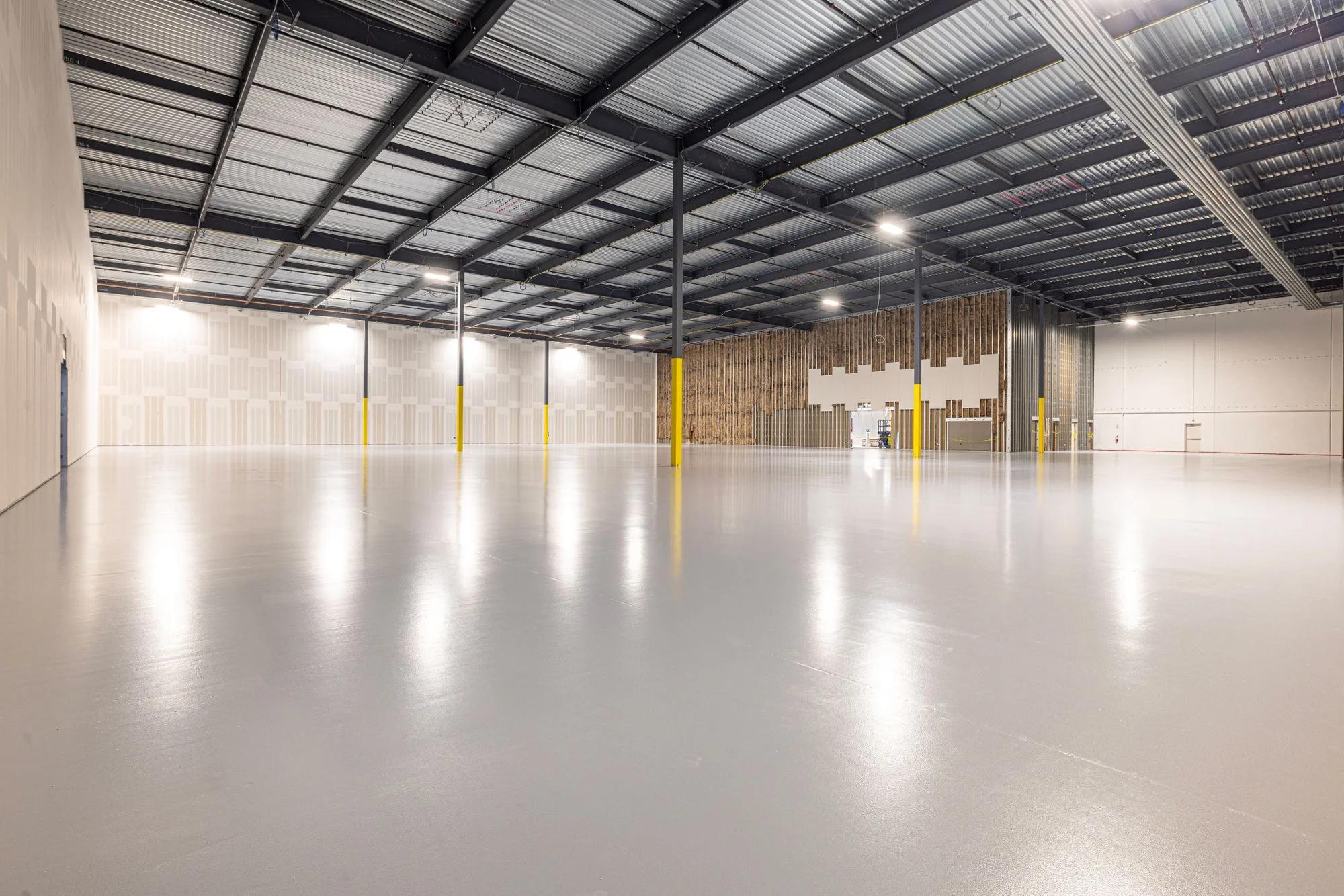
Industrial urethane and epoxy floors need more than a color selection. Traffic, abrasion, impacts, chemicals, cleaning, moisture, existing coatings, and slab repairs determine what the surface must handle. Product compatibility and the approved system requirements belong in the written scope.
Surface preparation and curing affect how long a space must remain unavailable. An occupied commercial or industrial property also needs protection, staging, and a realistic sequence. Those requirements should be reviewed alongside the coating system rather than treated as a scheduling afterthought.
There is no responsible per-square-foot price without the actual scope. These are the inputs that change the work and belong in a written estimate.
Related urethane and epoxy floor coatings.
References organize the scope. The actual drawings and specifications determine what is included.
For a back-of-house or service interior, document foot traffic, spills, cleaning routines, and the hours when the floor can be taken out of use. Preparation and curing need to fit those operating constraints rather than compete with them.
Show drains, thresholds, storage areas, and any sections that can be staged separately. The estimate should connect surface preparation and product requirements to the way the property actually functions.
Scope check: operating hours, staging, preparation, and cure requirements need a realistic sequence.
For a retail, service, or office back-of-house floor, document foot traffic, spills, cleaning routines, and when the space can be taken out of service. Preparation and cure time are part of the scope.
Share interior photos, use conditions, and any existing coating
Review slab condition, moisture, preparation, and system requirements
Receive a written preparation and coating scope
Include your ZIP code, approximate size, timing, and any access or occupancy constraints. Commercial requests should include plans, specifications, and the bid date.
The estimate overlay sends your project details to Apex. Bring plans, specifications, and photos to the project conversation or site review.
They should not be treated as interchangeable product names. Use conditions, slab condition, moisture, preparation, and system compatibility determine the appropriate approach. The selected manufacturer's requirements and the written scope govern the actual system.
That depends on adhesion, condition, contamination, moisture, and compatibility with the proposed system. Document the existing coating and any failures. Do not assume that a new coating will bond or perform without the required assessment and preparation.
There is no universal schedule. Preparation, repairs, the selected system, site conditions, and curing requirements determine the answer. The estimate should identify the expected sequence and return-to-service requirements for the actual space.
Interior slab photos and location. Existing coating and repair history. Chemical, abrasion, and traffic exposure. Access, occupancy, and cure-time constraints. Spills and cleaning exposure. Out-of-service windows. Preparation and cure requirements.
How to connect drawings, specifications, site constraints, and CSI MasterFormat references in a commercial concrete estimate.
Read the guideThe photos that help a concrete contractor understand the surface, edges, access, drainage, and finish choices before a site visit.
Read the guideWhat to ask about excavation, base material, compaction, drainage, reinforcement, and joints before a concrete pour.
Read the guide